 By Jan Lane, Development Officer, Central New York Community Foundation
In 2010, a study commissioned by the Central New York Community Foundation estimated that an unprecedented level of wealth would be passing from one generation to the next and that if 5% of those assets were donated to endowment funds, more than $55 million in grants would be available annually to support the region’s nonprofit organizations.
A decade later, the wealth transfer is ongoing and a growing number of community members are recognizing the importance of keeping their charitable dollars in their home communities.
I recently connected with Danielle Oristian York, executive director and president of 21/64, a nonprofit practice that assists philanthropic and enterprising families with their charitable planning and decision-making, to consider 5 questions about the changing landscape of generational philanthropy.
- How do you define multi-generational philanthropy?
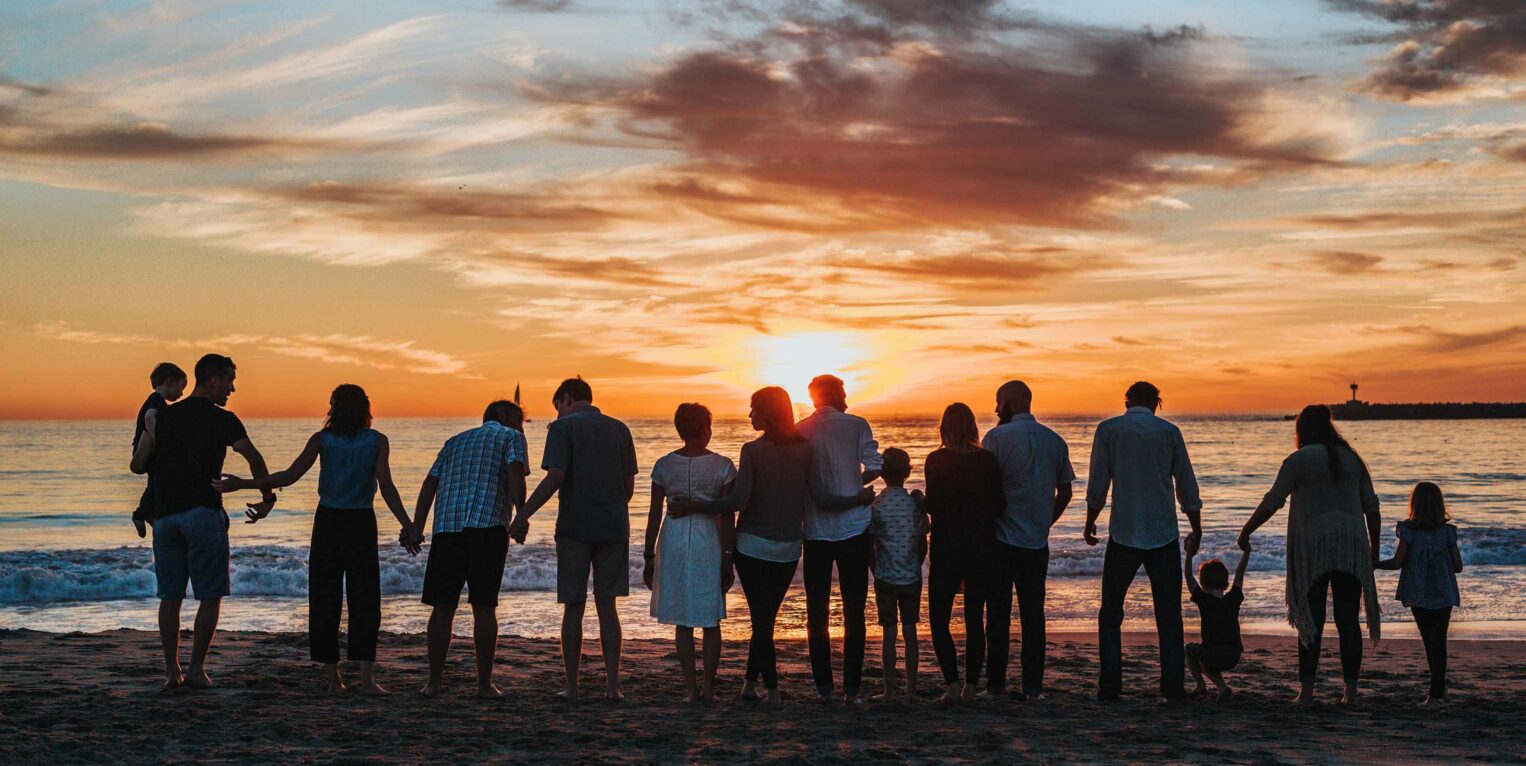
Danielle: I think of multi-generational philanthropy as two generations coming together in a unified way to approach the problems the world faces. Sometimes, we think of it through the lens of wealthy people and the traditional mechanisms of wealth planning. But the paradigm shift of 2020 and 2021 has been to appreciate the generations of all people, and wisdom, that have come before, including those traditions and experiences that we have omitted. In many ways, “multigenerational” has looked like our name – 21 and 64 – coming together in families, in peer communities and beyond.
In his book “Our Kids,” Robert Putnam broadly defines “our kids” as the people who come after us. The people who will inherit what our generation contributes are 2-3 generations down the line, and they don’t come from our bodies. For folks interested in community, expanding the aperture to focus not just on “my people” but “our people” means community is bigger than just family.
- What, from your perspective, are some of the biggest challenges and opportunities impacting multi-generational philanthropy?
Danielle: I think living during a pandemic has created a slowdown in our automatic behaviors and the way we understand things. As we’ve watched structures fall apart, there’s been a real opportunity to rethink, retool and reimagine, not only who we are, but what we might want to do about the world. Both the racial reckoning that came to a fore in 2020 and the pandemic have created an opportunity for us to see the world laid bare, without pretenses. It has prompted us to examine things like the growing wealth gap and inequity, the participation of good people in structures they didn’t realize were harmful, the effect on the environment when we don’t travel, and how simple acts of kindness are as transformational as big, big gifts.
I also think there’s grief in accepting that what we thought we knew is incorrect, or what we had planned for or invested in didn’t do what we intended. For the field and for philanthropists right now, it is an excellent opportunity to know our own hurts, deficits, wounds and vulnerabilities as we go out to help others with their own hurts, wounds and vulnerabilities. That is the invitation of this moment. And I think our humanity is the greatest gift we can bring to bear.
- When planning for impact, why is starting with values so important?
Danielle: Values tell us what we do every single day, every year, every decade, every century. Our collective values are the covenants we make between and amongst ourselves. We believe at 21/64 that values are what help you walk your talk. They sometimes get categorized as lofty and aspirational because they’re harder to measure, but I would say that’s the measuring that matters most. Values are easily measured if you articulate them, how you intend to embody them, and you benchmark your behavior against them.
Look at your portfolio, where you give, how you communicate with one another. That is how we see whether we are living our values, or just making a values statement. Think: “If I were audited for these values, could I say with confidence that we’re doing our best to uphold them, to the best of our ability? And if not, is that because of the values? Are these really our values?” Your life’s work articulates your values, not just your words.
- How do you honor individual philanthropic identities within a family or group structure when values differ?
Danielle: We use responsibility and transparency. As a facilitator, I’m responsible for the container that allows a group to be able to achieve its purpose. My responsibility is to make the space and the participants’ responsibility is to do the work. And then, with transparency between facilitator and group, we need to be really clear about what we’re trying to achieve and how we’re trying to do it.
Choosing to share a purpose is a level of transparency. I will oftentimes ask people, “Are we better together?” “Is that the best way to achieve what we’re trying to achieve?” “Is family harmony what we’re trying to achieve?” Appreciating your identity and my identity helps us decide what of our individual identities remain individual and where our individual identities might be stitched together to serve a larger purpose. Writer and poet Sonya Renee Taylor has said of our current moment, “…we are being given the opportunity to stitch a new garment. One that fits all of humanity and nature.”
- What are some strategies people can take away from this article to start a conversation with their own families or community groups?
Danielle: Start by asking good questions. This is a time of reckoning, and when everything shifts, it’s curious to see what people think. And so how do we convene and connect around the things that really matter? In order to stitch a new fabric, we must remember and re-examine the wisdom of previous generations. We must also think about how we want to be remembered. What kind of legacy will we leave? I think our values and the way that we live them are our legacy. So tend to that.
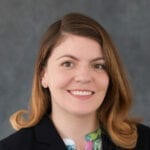
Jan Lane is Development Officer at the Central New York Community Foundation. In her role, she supports charitable planning for individuals, families and companies and facilitates the Foundation’s legacy planning program. To learn more about options for preserving your charitable legacy, contact Jan Lane at jlane@cnycf.org or visit 5forCNY.org.