As part of our ongoing series of continuing education events for professional advisors, Professor Chris Hoyt will be joining us in October to discuss charitable giving and retirement assets. He will explore why it has become more challenging to receive tax benefits from charitable gifts after 2017 as well as the benefits of donor-advised funds, qualified charitable contributions, tax-exempt charitable remainder trusts and more. You will learn to help your clients and grow your practice using charitable planning with special retirement tips.
In anticipation of Professor Hoyt’s upcoming appearance in October, we’re sharing a few teasers from his presentation:
CHARITABLE “BUNCHING” CAN BE BUNCHES OF FUN: The 2017 Tax Cuts and Jobs Act raised the standard deduction and drastically reduced the number of taxpayers who itemize their tax deductions, down from 33 million tax returns in 2017 to just 12 million tax returns in 2018. This led to an increase in the popularity of donor-advised funds, which presented a new planning opportunity for charitable taxpayers who can bunch deductions to itemize every few years. Donors can make a gift to a donor-advised fund in one tax year that is equal to their projected giving over the next several years. The amount donated should be large enough to allow total deductions to exceed the standard deduction for the tax year. Donors can then use the fund in subsequent years to support the charities of their choice and replenish the fund in a year when they are able to itemize deductions.
GIFTS OF APPRECIATED STOCK ARE APPRECIATED: Professor Hoyt theorizes that all charitable gifts should be made with appreciated stock unless donors are over age 70 ½. Gifts of appreciated stock are ideal for charitable giving because the donor benefits from double-tax savings – (1) they are eligible for a charitable income tax deduction for the full appreciated value of the stock and (2) they never pay income tax on the growth of the value of the stock. Since charities are tax-exempt, no taxes are incurred when the recipient charity sells the stock.
QCD DOS $ DONT’S: Professor Hoyt counsels that most donors over age 70 ½ should make all of their charitable gifts from their IRAs.
After age 59 ½, individuals can take a taxable distribution from their Traditional IRA without penalty. They can use that in any way including contributing the distribution to charity. If they itemize their charitable deductions, then donating their IRA distribution should provide them with a charitable deduction that offsets their income.
Later on, when an individual is at least 70 ½ years old, they can begin making IRA distributions directly to charities up to $100,000 per year. These qualified charitable distributions (QCDs) provide a number of tax advantages:
- QCDs are excluded from taxable income. For those clients who do not itemize deductions, QCDs provide greater tax savings than cash gifts.
- Beginning at age 72 (pending any SECURE Act 2.0 changes), QCDs count toward a client’s required minimum distributions (RMDs).
Age may just be a number, but it’s quite an important one when it comes to financial and retirement planning. From the release of new IRS life expectancy tables in 2022 to the proposed increases in withdrawal age for required minimum distributions under the SECURE Act 2.0, an expanded definition of the golden years will necessitate an expanded toolkit for tax-smart planning. No stranger to the landscape of tax law, Professor Hoyt has decades of experience in the realm of retirement and charitable planning for every age and tax law change.
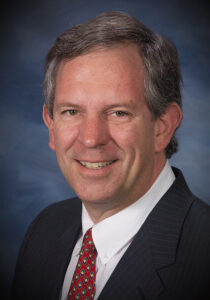
Christopher Hoyt, JD is a Professor of Law at the University of Missouri (Kansas City) School of Law where he teaches courses in the areas of federal income taxation, charitable organizations and retirement plans. He received an undergraduate degree in economics from Northwestern University and he received dual law and accounting degrees from the University of Wisconsin.
Professor Hoyt has served as the Vice-Chair of the RPTE Charitable Group and he serves on the editorial board of Trusts and Estates magazine. He is an ACTEC fellow and has been designated by his peers as a “Best Lawyer.” He was elected to the Estate Planning Hall of Fame by the National Association of Estate Planners & Councils.