The Central New York Community Foundation is inviting Cayuga County residents to help decide how $75,000 will be invested in their communities through the final voting phase of its participatory budgeting initiative, part of the Community Foundation’s centennial celebration.
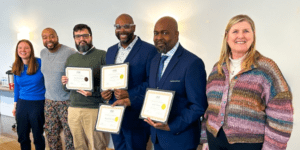
During two community sessions held in early September at the Booker T. Washington Center, residents and volunteers worked together to identify the county’s most pressing needs and begin shaping solutions. Through a series of collaborative exercises, participants discussed challenges facing the community and identified increasing overall health, skills and enrichment among youth in Cayuga County as the focus area for funding.
Local nonprofit organizations that serve Cayuga County residents were then invited to submit letters of interest outlining project ideas that respond directly to the priority. Community Foundation staff worked alongside participating nonprofits to refine proposals and ensure they reflect the input and intent of the participants.
“This process is about more than funding a project — it’s about building trust and making sure community voices guide community investment,” said Qiana Williams, senior program officer at the Community Foundation. “Residents shared what matters most to them, nonprofits stepped forward with ideas and now the decision belongs to the community.”
Residents are encouraged to learn more about the proposed projects during a virtual proposal presentation night on Wednesday, September 30, from 5:30 to 7:30 p.m. During this session, participating nonprofits will present their proposals and answer questions from the community ahead of voting.
The nonprofit organizations’ projects that will be presented are:
Cayuga Counseling Services
Cayuga Counseling Services, in partnership with The Hideout Gaming Center, proposes expanding an existing space into a drop-in youth center offering recreation, workshops, job and college preparation, mentoring and other activities shaped by young people. The center would feature an esports program where youth can build teamwork, communication and problem-solving skills, as well as an audio and visual media room for podcasting, streaming, video production and content creation. A Youth Advisory Board would give young people a direct role in shaping the center’s activities and environment, while trained community mentors would provide additional guidance and support.
Booker T. Washington Center:
Booker T. Washington Community Center proposes creating a countywide Teen Resource Program that would give young people a consistent place to turn for help navigating health, housing, financial, educational, career and other needs. A dedicated Teen Resource Navigator would work individually with teens to identify their needs, connect them with appropriate services, arrange transportation and follow up to help ensure they receive support. Services would be available in several settings throughout the community, and a Teen Advisory Council would help identify barriers, shape activities and recommend improvements to the program.
Southern Cayuga Central School District:
Southern Cayuga Central School District proposes revitalizing its Agricultural Science and Technology program to provide students with more hands-on learning and career preparation connected to the county’s agricultural economy. The project would upgrade equipment and infrastructure, expand the district’s greenhouse and establish an educational orchard where students could learn about growing, harvesting and distributing food. Produce could also support the district’s food service program and the King Ferry Food Pantry, allowing the program to serve as both an educational opportunity for students and a resource for the broader community.
Confidential Help for Alcohol & Drugs (CHAD):
Confidential Help for Alcohol and Drugs, Inc. proposes expanding access to substance use disorder counseling and youth support within Cayuga County schools. A school-based counselor would meet with students in their own school environments, helping reduce barriers such as transportation, scheduling, stigma and limited access to specialized services. Youth would receive individualized counseling while building skills related to decision-making, coping, communication, problem-solving and self-advocacy. The counselor would also connect students and families with school and community resources that can address related challenges involving behavioral health, housing, food, transportation, education, employment and peer relationships.
Voting will take place on Thursday, October 1, from 9 a.m. to 7 p.m. All Cayuga County residents aged 14 or older are eligible to vote online by visiting cnycf.org/cayugapb, where a voting link will be available on the day of voting. Two-factor authentication will be used to help ensure that each participant votes only once. Individuals who are unable to vote online will have the opportunity to vote in person during the evening celebration.
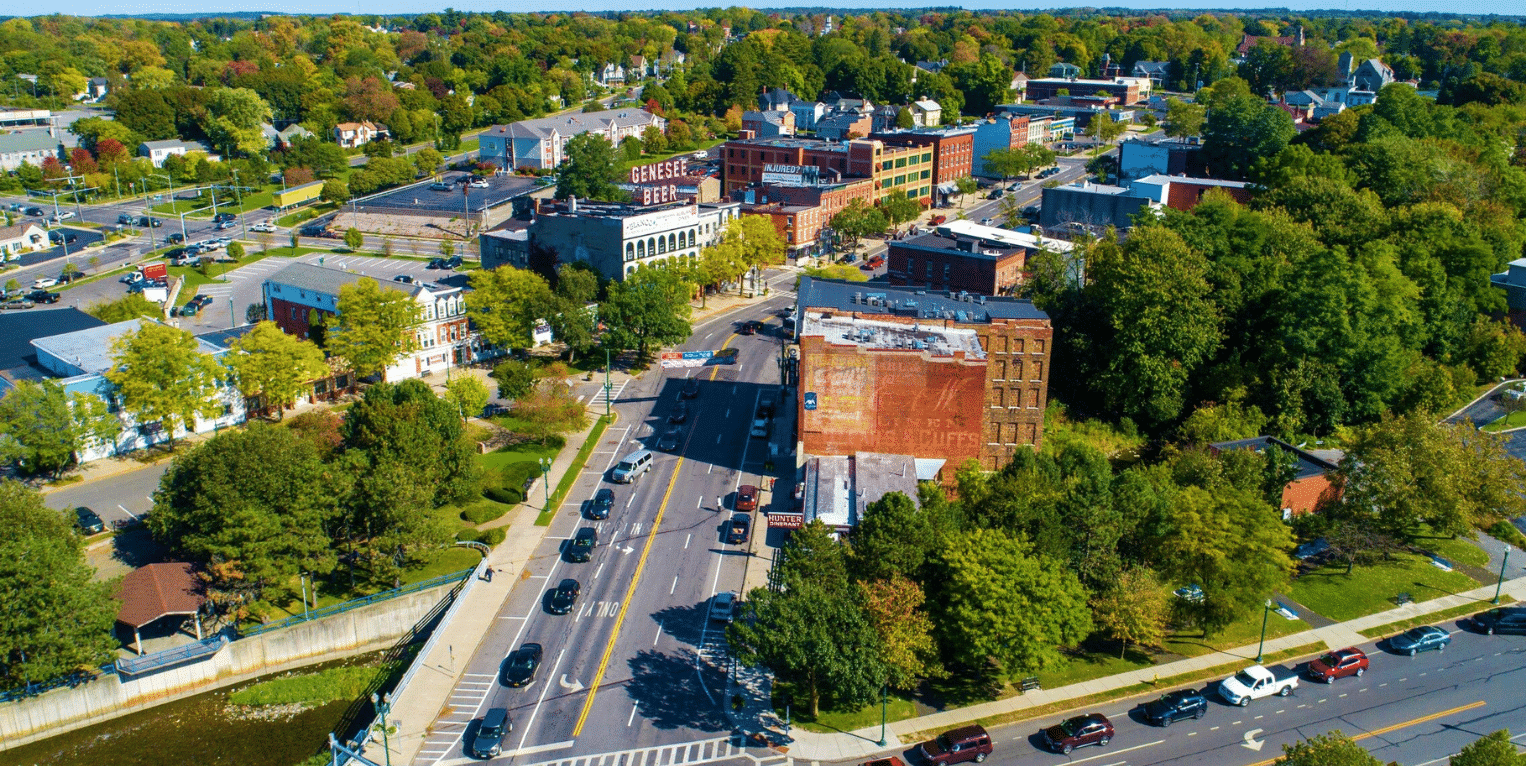
The Community Foundation will host a live voting night celebration on October 1 from 6-7:00 p.m. at the Schweinfurth Art Center, located at 205 Genesee Street, Auburn. Residents and nonprofit partners are invited to attend as votes are cast and counted, culminating in the announcement of the winning project. Doors will open at 5:00pm for those looking to only vote in person but not stay for the event. Community members can register now to attend the celebration at cnycf.org/cayugapb.
As the Central New York Community Foundation approaches its 100th anniversary in 2027, participatory budgeting is one way the organization is engaging residents in shaping the region’s future. The Cayuga County initiative is the fourth of five projects taking place across the Community Foundation’s service area, collectively awarding $500,000 in funding determined by community vote. Participatory projects were completed so far this year in Oswego, Cortland and Madison counties; the Community Foundation will host its final one in Onondaga County in 2027.
Participatory budgeting is a community engagement process in which residents help decide how funding is allocated through a structured process of community need identification, prioritization and voting. In partnership with residents, nonprofits and grassroots organizations, participants identify priorities, co-design solutions and ultimately select the project they believe will best address a community need.
Residents who need transportation assistance may reach out to Sue Van Epps at suevanepps@yahoo.com or call 315-253-0996.